
Bats, fish and fate
April 30, 2026
In the Maldives, large fruit bats—often called flying foxes—are a common sight at dusk. As they leave their roosts to forage, you can often see them flying low over lagoons, open water and also swimming pools. One documented behavior is their ability to skim the waters surface to wet the fur on their chest or belly. Later they lick off the moisture to hydrate. In island environments where fresh water is limited, this is an efficient and well-adapted survival strategy.
This behavior, however, also brings them into closer contact with the marine environment than you might expect.
During a fishing trip with his friends, Abdul our dive center manager at Brennia Kottefaru caught a snapper. This snapper had an unusually big belly so they cut it open to have a look. Guess what they found. They discovered the remains of a baby bat in the fish’s stomach. Snappers are opportunistic predators and will feed on a wide range of prey, including small fish, crustaceans, and occasionally anything that enters the water unexpectedly – in this case a baby bat.
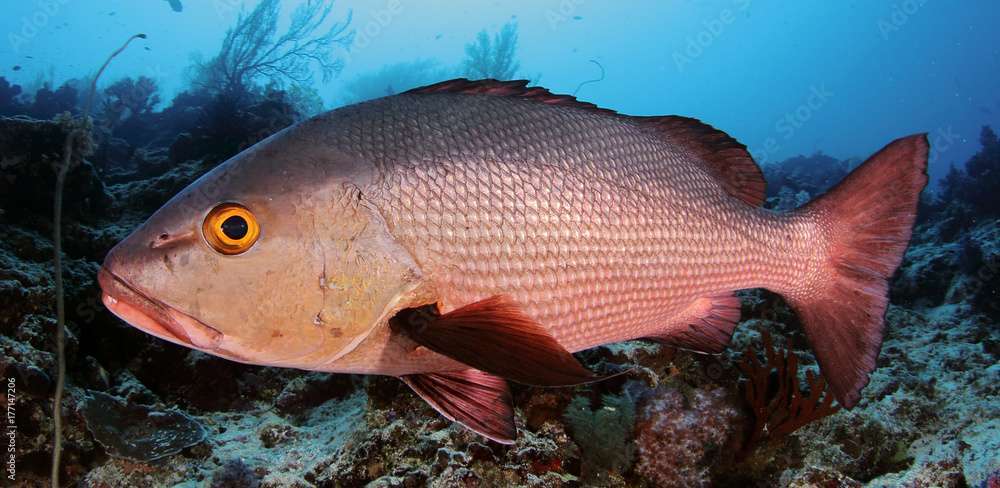
Mothers carry their young on their belly. The baby bat probably lost its grip and fell in the water. Also very young or inexperienced bats, may be more vulnerable when flying low over the surface. A miscalculation, fatigue, or sudden movement in the water could bring them within reach of predatory fish. In such cases, the boundary between aerial and marine ecosystems becomes very thin.
Observations like this serve as a reminder that island ecosystems are highly interconnected. Species we typically think of as strictly terrestrial or aerial can, under some circumstances, become part of the marine food chain. While rare, these interactions underline the adaptability of predators like snapper and the risks associated with behaviors that bring animals into unfamiliar environments.
In the Maldives, where land, sea, and sky exist in close proximity, these overlaps are not just possible—they are part of the natural balance of the ecosystem.

